Sub-Saharan University College
History and Foundation of Sub-Saharan University College
The establishment of a university college based on internationally recognized standards of higher education, dedicated to serving the people of Sudan and Africa in a spirit of peace, development, and academic excellence, was once a challenging dream.
This vision was championed by Dr. Sulaiman Abdulkarim Giddo, who has been committed to the idea since 1997. Driven by a strong belief that education is a powerful tool for social transformation, peacebuilding, and sustainable development, he devoted more than two decades to turning this vision into reality.
After twenty years of persistence, dedication, and hard work, the dream was realized in 2017 with the establishment of Sub-Saharan University College (SSUC) in Sudan.
From its inception, SSUC was founded with the ambition of becoming a leading institution of higher learning in Africa and beyond. The College seeks to provide high-quality education, foster innovation and research, promote community engagement, and prepare graduates capable of contributing to the advancement of their societies and the global community.
Despite the challenges faced by Sudan and the region, SSUC remains committed to its mission of expanding access to quality education, promoting peace and social cohesion, and empowering future generations through knowledge, leadership, and service.
Today, Sub-Saharan University College continues its journey toward becoming a pioneering educational institution in Africa and the world, guided by the principles of academic excellence, integrity, inclusiveness, and community development
The Name
The name Sub-Saharan University College (SUC) reflects the institution’s commitment to serving the people of Sudan and the broader region through education, research, innovation, and community engagement.
Africa’s unique beauty is characterized by the contrast between the verdant lands of the south and the arid landscapes of the north, separated by the world's largest desert—the Sahara. This vast desert divides the continent into the countries of North Africa and the forty-eight nations of Sub-Saharan Africa, home to more than one billion people and rich in agricultural, pastoral, mineral, and human resources.
The Sub-Saharan region represents one of the world's greatest opportunities for future growth and development. Its vast natural resources, youthful population, cultural diversity, and untapped economic potential provide a strong foundation for sustainable progress. Realizing this potential requires investment in education, research, innovation, and human capacity development.
Sub-Saharan University College was founded on the belief that higher education plays a pioneering role in advancing knowledge, promoting peace, supporting scientific research, and contributing to sustainable development across Africa. The College aspires to be a center of excellence that prepares future leaders and professionals capable of addressing the challenges and opportunities facing the continent.
The Logo

The logo of Sub-Saharan University College embodies the institution’s values, heritage, and vision for the future.
At the center of the logo is the Sidra Tree, a resilient tree well known for its ability to survive harsh environmental conditions and resist desertification. The tree symbolizes strength, perseverance, growth, and sustainability—reflecting the College’s roots in a region where resilience and determination are essential for overcoming challenges and building a better future.
The open book in the logo represents knowledge, learning, scientific inquiry, and education. It symbolizes the transformative power of knowledge in improving lives, advancing communities, and preserving the environment. Just as knowledge nurtures human development, the book in the logo signifies the role of education in keeping the land green, productive, and prosperous.
Together, the Sidra Tree and the open book represent the College’s mission to cultivate knowledge, inspire innovation, promote sustainable development, and empower future generations to contribute positively to Sudan, Africa, and the world.
Transforming Lives
Through Education
To create a transformative educational experience for students by fostering a collaborative environment where new ideas, research, creativity, and innovation can flourish, while ensuring an academic setting that enables students to achieve their full potential and contribute positively to society.
Fostering a collaborative environment where new ideas, research, creativity, and innovation can flourish.
Enabling every student to achieve their full potential and contribute positively to society and their communities.
Building bridges between education, innovation, and sustainable community development across Africa.
Leading the Region
by 2030
Sub-Saharan University College strives to create a significant transformative impact on society through high standards of education, research, creativity, innovation, and services. We are committed to advancing deep disciplinary knowledge while nurturing essential life and professional skills including entrepreneurship, leadership, and effective communication.
We aim to build a learning environment that empowers students to become knowledgeable, responsible, and innovative contributors to their communities and the wider world.
Recognized for academic excellence, scientific research, and community engagement across Sudan, Africa, and the global community.
Our
Direction
A clear framework of institutional priorities guiding SSUC toward regional leadership and global recognition by 2030.
Provide high-quality educational, technical, and research services in accordance with national and international standards.
Respond effectively to contemporary challenges through innovative teaching, learning, and research.
Contribute positively to community development and future societal aspirations.
Recruit highly qualified faculty members, administrators, and technical staff.
Create an inspiring and supportive educational environment that promotes student success.
Strengthen community engagement through professional services, outreach programs, and applied research.
Establish research centers, scientific forums, conferences, and academic partnerships to support knowledge sharing.
Implement effective planning, monitoring, evaluation, and continuous improvement systems.
Encourage cooperation with universities and research institutions within Sudan and internationally.
Develop integrated information and communication systems connecting all colleges and departments through modern technology.
Our
Commitments
Preparing distinguished graduates who are competitive, innovative, socially responsible, and committed to sustainable development.
Expand access to higher education to meet the growing demand for qualified professionals and employment opportunities.
Serve society through scientific research, innovation, and community development initiatives.
Provide educational opportunities for students from low-income families, displaced communities, and orphans.
Develop highly qualified professionals and technical experts capable of serving various sectors of society.
Achieve academic excellence in accordance with recognized institutional and professional standards.
Strengthen the role of higher education in transferring knowledge, skills, and innovation to society.
Promote postgraduate education, scientific research, and international academic collaboration.
Build partnerships with regional and international universities, research centers, and development organizations.
Support peacebuilding, social cohesion, and sustainable development through education and community engagement.
Why Sub-Saharan University College in Darfur?
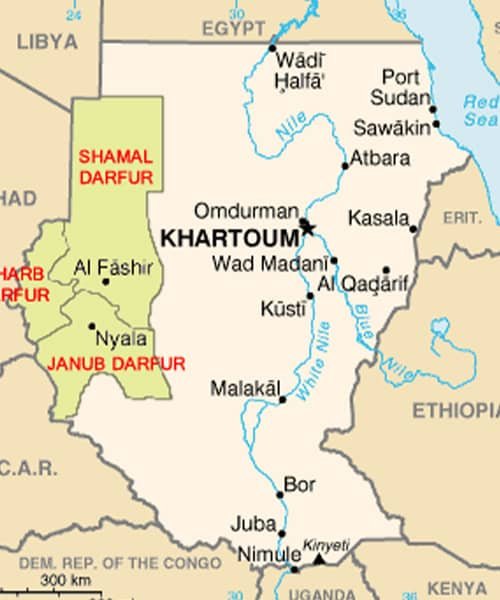
Darfur’s unique position between the Sahara Desert and Sub-Saharan Africa makes it an ideal location for a university dedicated to addressing Africa’s environmental, social, and developmental challenges. Sub-Saharan University College was established with a commitment to sustainable development, environmental protection, scientific research, and community empowerment. Through education, research, and outreach, the College promotes environmental conservation, sustainable land management, and responsible resource use while advancing solutions to combat desertification, climate change, and drought using modern technologies. The College also supports research into diseases affecting Sub-Saharan Africa, exploring local environmental and biological resources to develop innovative approaches to healthcare and disease prevention. Inspired by Darfur’s challenges and opportunities, the College prepares graduates and research that contribute to the sustainable development of Sudan, Africa, and the wider world.
2) New Halfa.Eastern State


Our Core Values
Through this vision and these core values, Sub-Saharan University College seeks to become a leading institution of higher learning dedicated to academic excellence, societal transformation, and sustainable development in Sudan, Africa, and beyond.
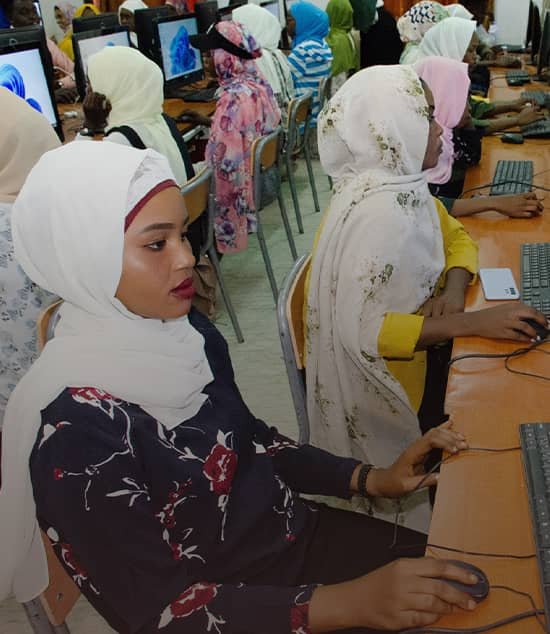
We are committed to excellence in teaching, research, service, and institutional development. Dedication is reflected in our continuous pursuit of high-quality education and professional standards.
We strive to address critical social, economic, and developmental challenges facing our communities through meaningful education, research, and outreach activities.
We value interdisciplinary cooperation and partnerships with national and international universities and institutions, fostering knowledge exchange and shared progress.
We encourage intellectual curiosity, innovation, and entrepreneurial thinking. We embrace new ideas, responsible risk-taking, and diverse forms of academic and professional expression.
We are committed to improving the human condition by fostering compassion, inclusion, and social responsibility in all our academic and community activities.
We uphold the highest ethical standards, ensuring transparency, accountability, fairness, and good governance in all institutional operations.
We are committed to long-term strategic planning, responsible resource management, and sustainable institutional growth that supports future generations.