
School Of Nursing
Bachelor of Science in Nursing (B.Sc. Nursing)
The Bachelor of Science in Nursing (B.Sc. Nursing) at Sub-Saharan University College is designed to prepare highly qualified, competent, and compassionate nursing professionals capable of delivering safe, effective, and evidence-based healthcare services. The program combines academic excellence with extensive clinical training to develop nurses who can respond to the evolving healthcare needs of individuals, families, and communities.
Built on quality assurance standards and best practices in nursing education, the program integrates theoretical knowledge, practical skills, community engagement, and scientific research. Graduates are equipped to contribute to healthcare delivery in preventive, curative, rehabilitative, and health promotion settings while assuming leadership, educational, and research roles within healthcare institutions.


Vision
To be a leading nursing program that graduates competent, highly skilled, and ethically responsible nursing professionals capable of providing high-quality, evidence-based healthcare services and contributing to the advancement of healthcare systems nationally and internationally.
Mission
To provide high-quality nursing education in a supportive learning environment that prepares graduates to deliver compassionate, evidence-based care, promote community health, contribute to research, and advance nursing practice through lifelong learning.
Core Values
- Quality and Excellence
- Compassion and Care
- Integrity and Professionalism
- Teamwork and Collaboration
- Accountability and Commitment
- Lifelong Learning
- Ethical Practice
- Respect for Diversity and Human Dignity

Program Objectives
- Prepare competent nursing graduates with strong scientific and clinical foundations.
- Develop critical thinking, clinical reasoning, and decision-making skills.
- Equip graduates to provide safe, patient-centered, and evidence-based nursing care.
- Promote health education and community health awareness.
- Enhance leadership, communication, and teamwork skills within healthcare settings.
- Encourage scientific research and innovation in nursing practice.
- Foster lifelong learning and continuous professional development.
- Prepare graduates to meet local, regional, and international healthcare workforce needs.
Program Learning Outcomes
Knowledge & Understanding
Builds the essential theoretical baseline, biological understanding, and regulatory awareness required to operate safely and effectively within complex medical frameworks.
Clinical & Practical Skills
Empowers practitioners to execute hands-on procedural care, utilize modern diagnostics, implement evidence-based practices, and guide institutional patient safety workflows.
Professional & Ethical Competencies
Cultivates absolute accountability, advanced interdisciplinary team communication, cultural respect, and a commitment to lifelong professional learning.
Study System & Duration
The program follows a semester-based academic system consisting of two semesters per academic year. Student performance is verified through continuous evaluations, clinical assessments, assignments, research tracks, and final examinations.
Teaching & Learning Strategies
Adopting a student-centered approach, the curriculum balances strict experimental theory with hands-on practice to cultivate advanced critical thinking and lifelong professional learning.
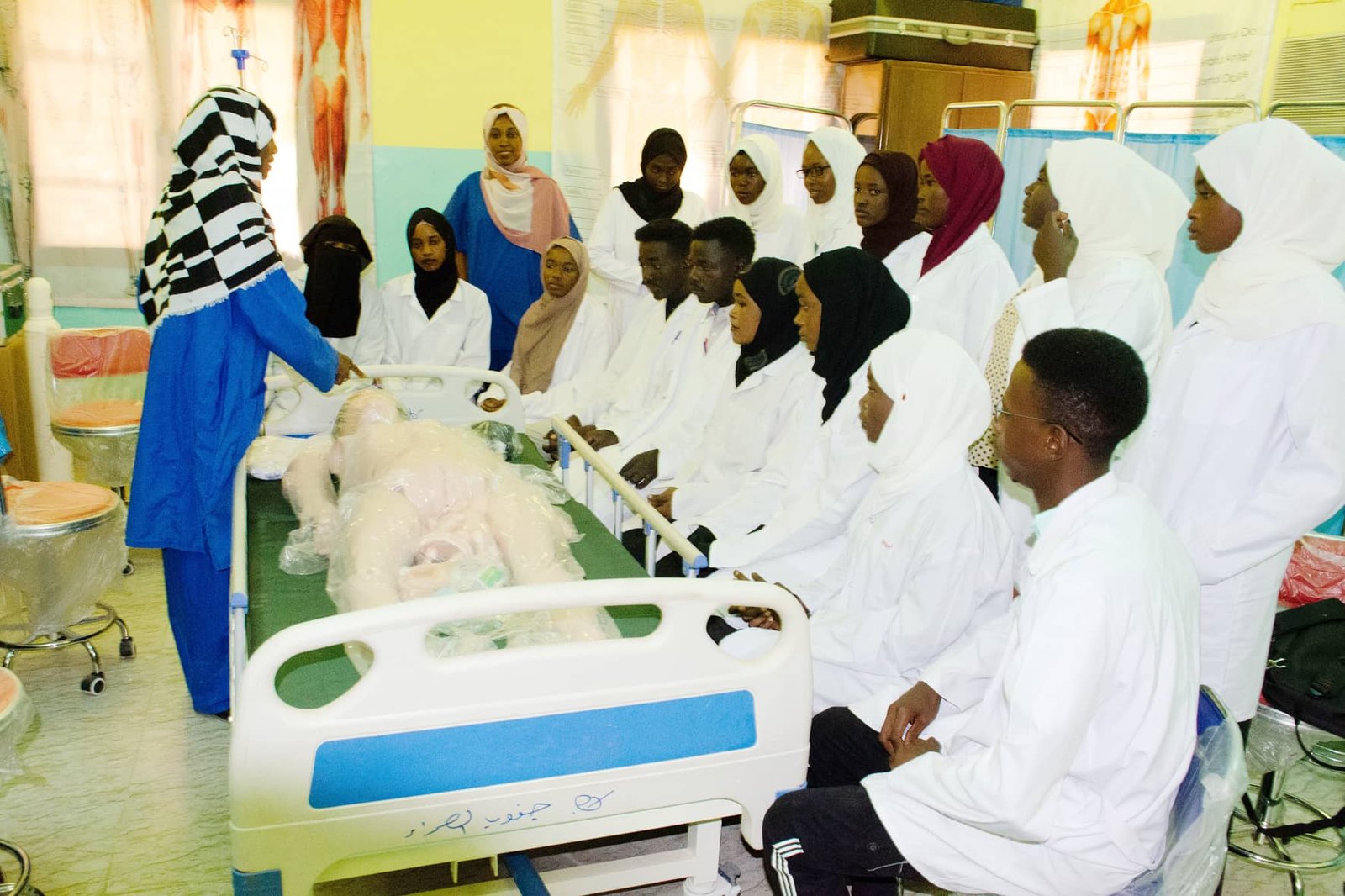
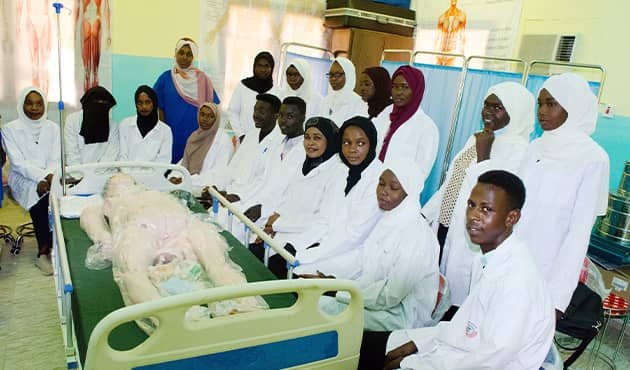
Clinical & Practical Training
Students secure real-world mastery through extensive supervised experiential rotations across diversified internal health architectures, ensuring complete clinical capability before graduation.
Career Opportunities
Graduates are fully prepared for high-impact employment setups inside major public clinics, global NGOs, humanitarian networks, and top-tier healthcare systems globally.
Our Commitment to Excellence
The Bachelor of Science in Nursing program at Sub-Saharan University College is committed to producing highly competent nursing professionals who combine scientific knowledge, clinical expertise, ethical practice, and compassionate care. Through quality education, practical training, research, and community engagement, the program prepares graduates to make meaningful contributions to healthcare systems and improve the health and wellbeing of the communities they serve.

